Gastronomy
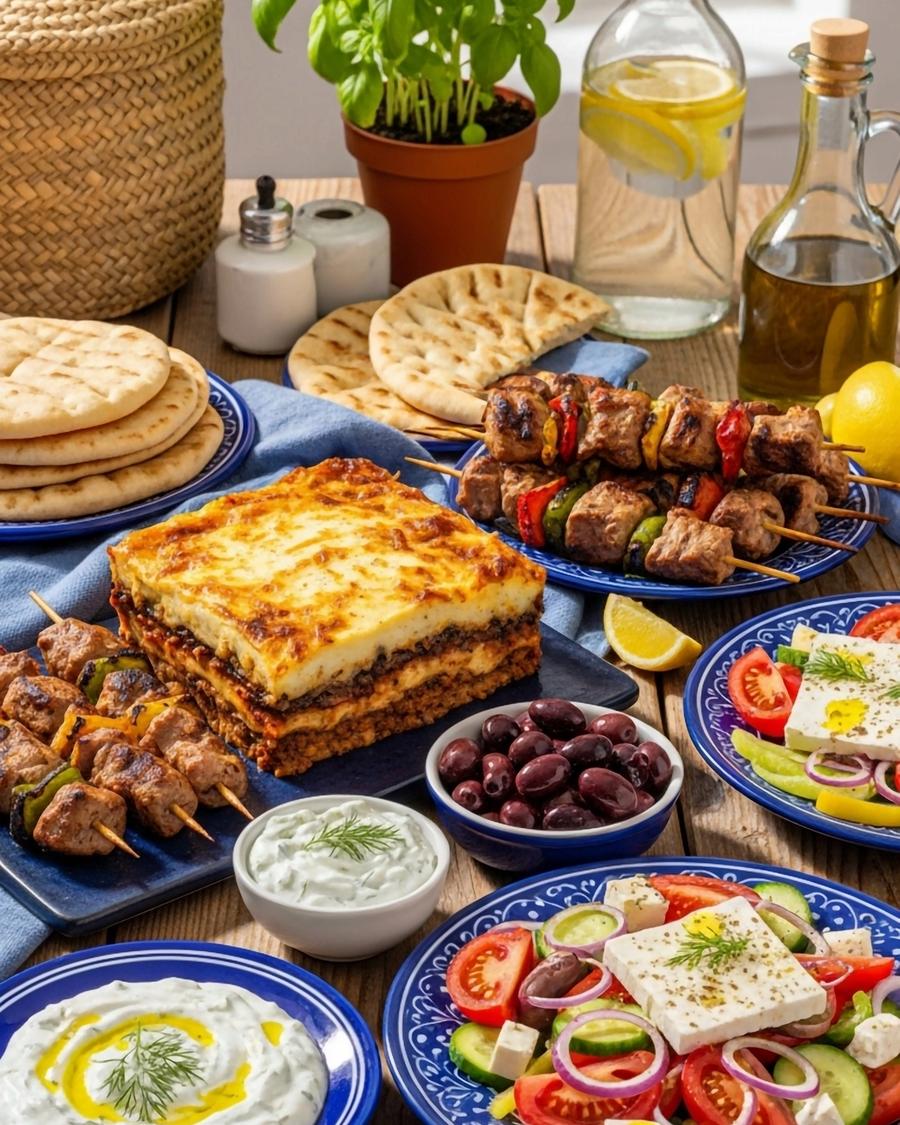
Kerkini's food carries the weight of its geography. This has always been borderland, a place where Greek, Macedonian, Bulgarian, and Turkish influences met, traded, and settled, each leaving something behind on the table. You can taste it in the details: Ottoman-style stuffed vegetables sit next to Slavic dairy traditions, Greek herbs and olive oil meet Balkan ways of slow-cooking meat, and old borrowed words survive in the names of dishes long after the borders themselves moved.
One good example is ribnik, a rice and fish dish still cooked in the area, its name giving away its roots immediately: riba, the Slavic word for fish. Traditionally tied to Saint Nicholas' Day and the end of the autumn fishing season further north, it found its way into local kitchens here too, adapted over time into its own version, simple, comforting, and genuinely delicious.
The Bulgarian influence runs deeper than any single dish, though, especially when it comes to water buffalo. Bulgarians settled in this borderland were historically serious buffalo breeders, and it's largely their tradition that shaped how the animal is used here: turned into yogurt, butter, cheese, and sausages, rather than just meat on its own. Some historians trace buffalo in the wider region back roughly 2,500 years, to when Xerxes reportedly used them to help move his army's supplies across the Strymon river, but it's this more recent Bulgarian dairy and breeding tradition that shaped the buffalo cuisine Kerkini is known for today. After nearly disappearing by the early 1990s, buffalo farming has come back strongly, and buffalo farms are now among the most prominent local occupations around the lake.
That legacy shows up constantly at the table: kavourma, sausages, and slow-cooked stews from buffalo meat, and kazan dipi, a caramelized, custard-like dessert made with buffalo milk, richer and creamier than its cow's milk cousins.
What's remarkable isn't any single dish, though. It's how naturally they all sit together. Nothing here feels forced or fused for effect, it's just what happens when different peoples share a lake, a river, and a few centuries of history: an unusually rich, layered local cuisine, built one borrowed tradition at a time.