Overview
Lake Kerkini sits in the northwest corner of the Serres region, in Central Macedonia, right up against the Greek Bulgarian border. It stretches about 17 kilometers long and 5 kilometers wide, its surface sitting at 35 meters above sea level, ringed by mountains on almost every side: Beles (also called Mount Kerkini) to the north, and Mavrovouni and Krousia to the southwest.
Beles rises steeply from the lake's edge, a granite ridge running over 40 kilometers along the border, climbing to 2,031 meters at its highest point. Its slopes are wooded and cut with ravines and small waterfalls, home to golden eagles, black storks, and peregrine falcons nesting on the cliffs. To the south, Mavrovouni and Krousia complete the amphitheater, reaching 1,131 meters at their highest, their forests of oak and beech turning gold and copper in autumn. Between the mountains and the water lies a patchwork of reed beds, water buffalo pastures, riverside forest, and small villages, each with its own way of living alongside the lake.
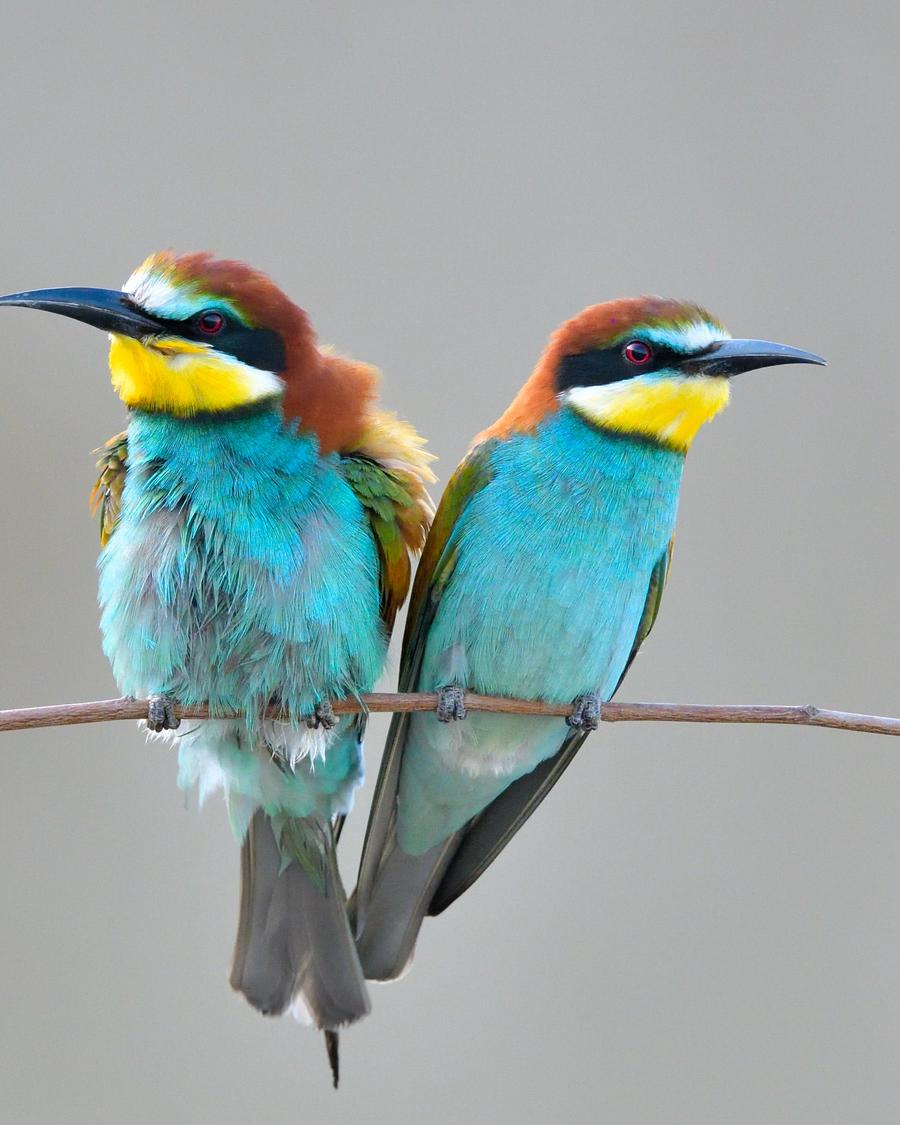
The lake and its surroundings became a National Park in 2006, one of the youngest in Greece, covering roughly 83,000 hectares. Within that protected area, researchers have counted around 312 bird species, 44 mammals, 27 reptiles, and 11 amphibians, numbers that put Kerkini among the richest wildlife areas in the country, and one of the best birdwatching destinations in all of Europe.
But numbers only tell part of what Kerkini is today. This is a place built for doing, not just looking. Mornings start with boats gliding out at first light to photograph Dalmatian pelicans at water level. Water buffalo wade through the shallows most of the year, close enough to watch from a slow boat or a quiet stretch of shore. Cyclists follow the lake road through village and wetland, hikers climb into Beles and Mavrovouni on trails that open up views over the whole valley, and riders explore the same paths on horseback. Fishermen still head out in wooden boats their families have used for generations, and photographers wait for the exact hour when the light over the water turns everything gold.
That's why we've built this guide around things to do first. Kerkini isn't a place to pass through on the way to a meal and a bed. It's a place people come specifically to do something: to photograph, to watch, to ride, to cycle, to be out on the water at dawn. Everything else, where to eat, where to sleep, is there to support that, not to be the main event.