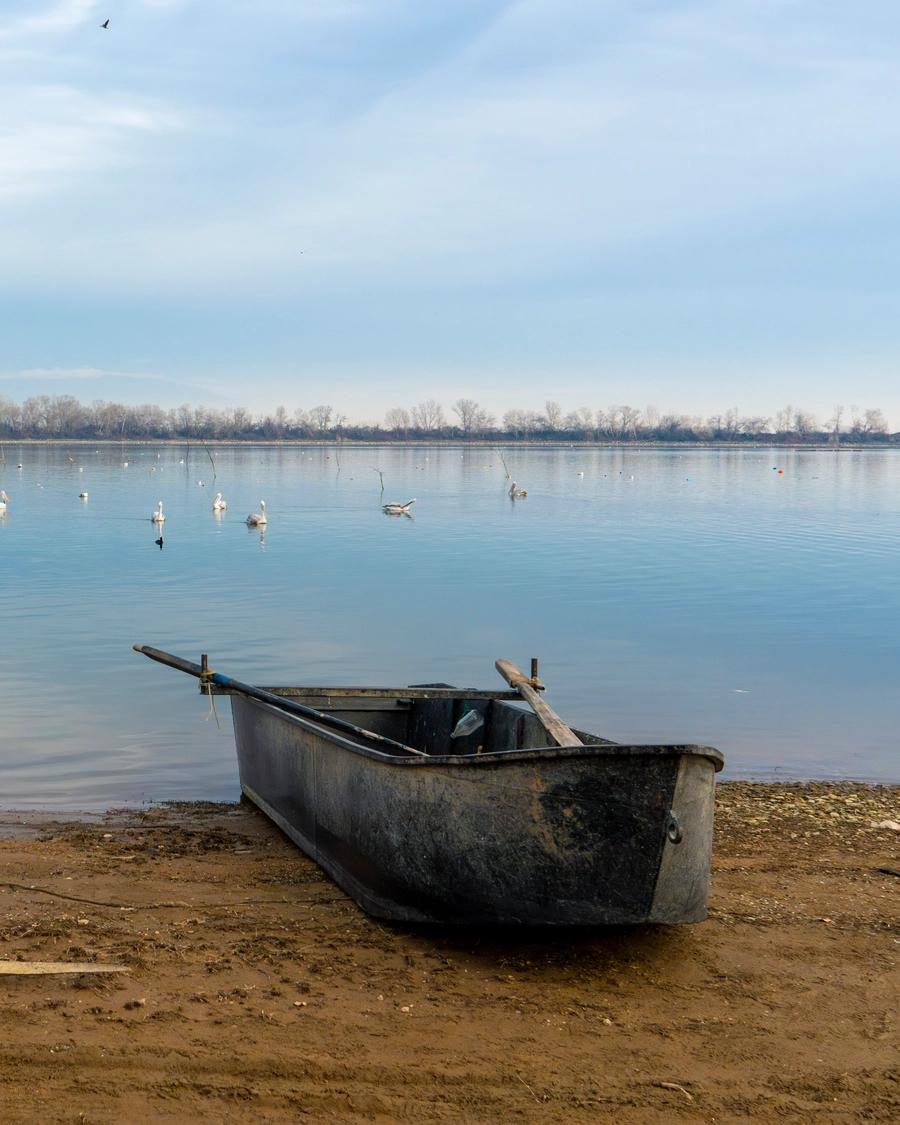
Kerkini Village
Before it was called Kerkini, this village was known as Boutkovo, part of the same Strymon floodplain that would later become the lake. Like most of this borderland, it belonged to Bulgaria until the Second Balkan War in 1913, when the area became part of Greece. In the 1920s, like many villages in the region, it received Greek refugee families resettled here after the population exchanges that followed the Greco-Turkish War, giving the community much of its present day roots. At some point after that, the village was renamed Kerkini, borrowing the name from the ancient Kerkinitis (or Kerkinitida) lake once recorded in this same area, the same name later given to the modern reservoir when it was built in 1932.
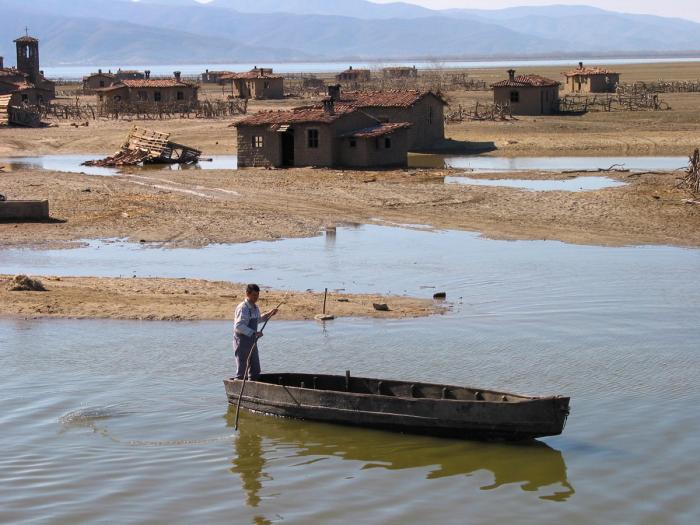
Today the village is home to roughly 750 people. Its harbor is where many of the boats leave from for photo and wildlife tours out on the lake, including early morning departures to catch the pelicans in the best light. There's a small Information Center dedicated to life on the lake, and from the harbor you can also arrange canoeing and horse riding along the shoreline. The village itself has tile roofed houses, a handful of tavernas serving water buffalo meat, one of the local specialties, and an easy, unhurried pace.
It's a genuinely nice place to spend time in. It shares its name with the lake itself, which is more a quirk of history than a sign that it matters more than any other village here, we like all of them equally, each for its own reasons.